Why Lighting Is Crucial in Hospitality
Imagine walking into a restaurant where the lights are too harsh or a hotel lobby that feels dim and cold. Instantly, the mood changes. Guests notice lighting, even if they don’t realize it. It sets the tone for their experience and can influence how long they stay, how comfortable they feel, and whether they return. In the hospitality industry, lighting isn’t just functional—it’s a powerful tool for creating unforgettable experiences.
Understanding the Role of Hospitality Lighting
Lighting affects every part of your hotel or restaurant:
- Guest Comfort: Soft, well-planned lighting makes spaces feel inviting and relaxing.
- Food and Beverage Appeal: Properly lit tables enhance food presentation, making dishes more appetizing.
- Brand Identity: Lighting reflects the style and personality of your establishment, whether modern, cozy, or luxurious.
- Safety and Navigation: Well-placed lighting ensures guests move safely through your space.
Types of Lighting to Consider:
- Ambient Lighting: General illumination for the entire space—ceiling lights, chandeliers, or LED panels.
- Task Lighting: Focused lighting for specific activities—reading lamps in hotel rooms or kitchen prep lights.
- Accent Lighting: Highlights décor, artwork, or architectural features.
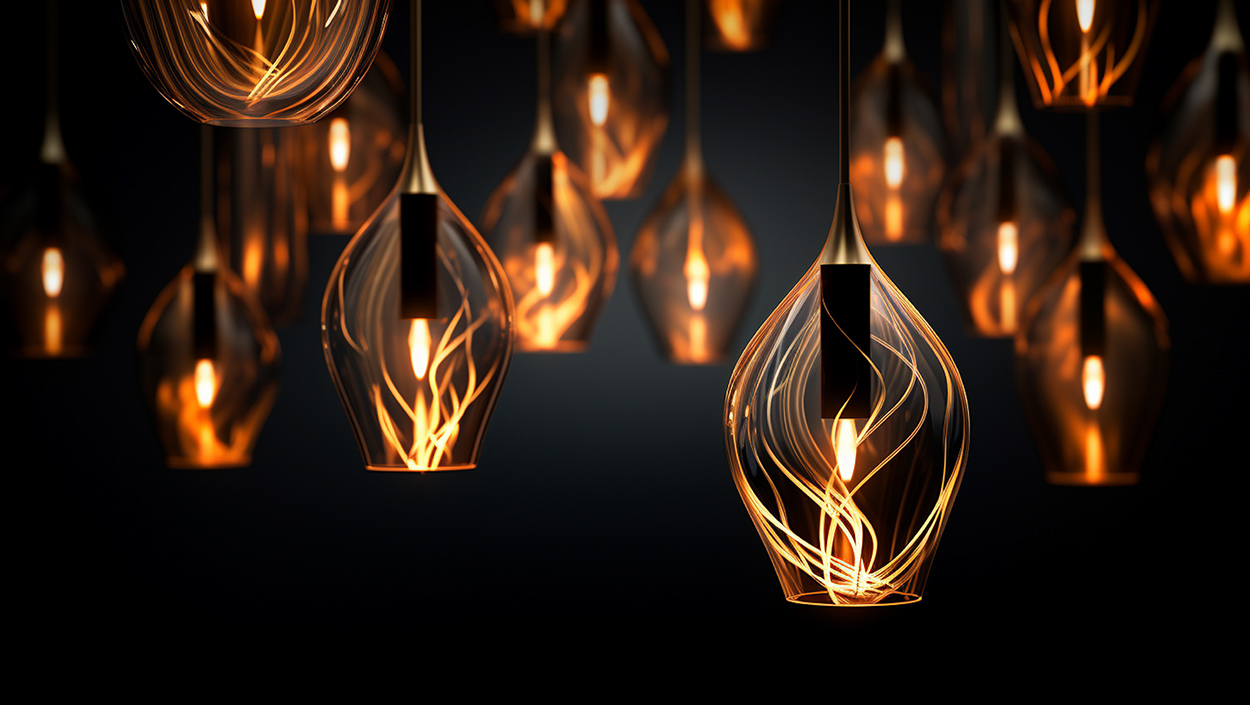
- Decorative Lighting: Adds character—pendants, wall sconces, or statement chandeliers.
How to Create the Perfect Ambience
Here’s how hospitality managers and designers can create lighting that impresses guests:
1. Match Lighting to the Mood
- Restaurants: Warm, soft lights encourage guests to relax and linger over meals. Dimmers allow flexibility from casual lunch settings to intimate dinners.
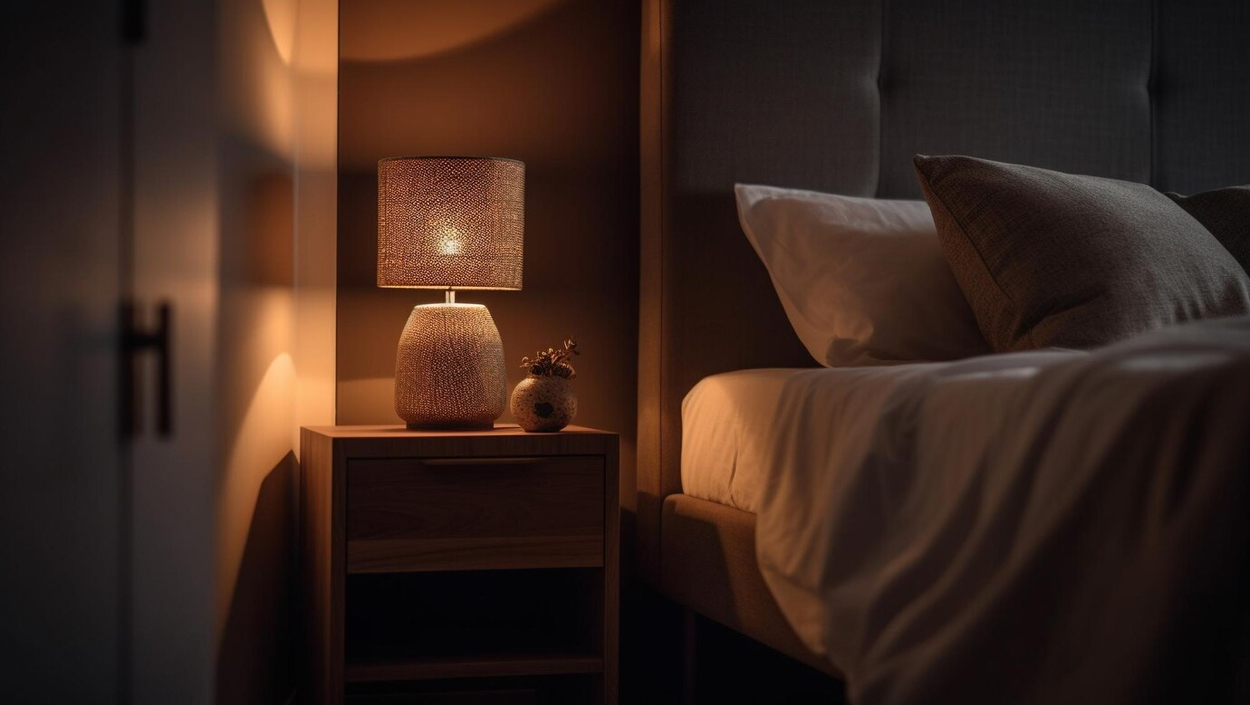
- Hotel Rooms: A mix of bedside lamps, ceiling lights, and subtle accent lighting balances comfort and practicality.
- Lobbies: Bright yet inviting lighting makes guests feel welcome while showcasing key areas.
- Bars and Lounges: Accent and colored LED lights create an energetic and social vibe.
2. Choose the Right Color Temperature
- Warm White : Cozy and relaxing. Ideal for guest rooms and dining areas.
- Neutral White : Balanced and functional. Perfect for lobbies, hallways, and meeting rooms.
- Cool White : Bright and energizing. Best for kitchens, staff areas, and workspaces.
3. Layer Lighting for Depth
Use multiple layers of light to create dimension:
- Ceiling lights for general illumination.
- Wall sconces for soft ambient light.
- Table/floor lamps for focused tasks.
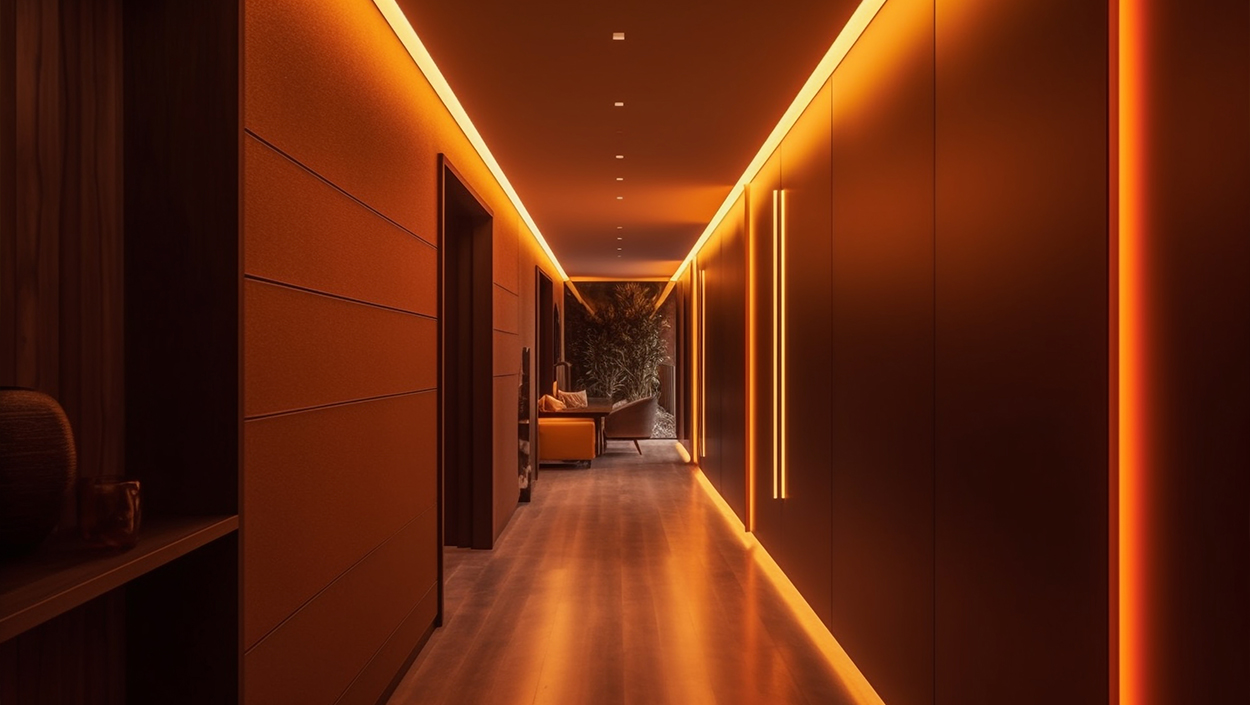
- Spotlights/LED strips for accents.
4. Highlight Key Features
- Draw attention to artwork, décor, or architectural elements.
- Illuminate buffet tables, bars, and dining areas for maximum visual impact.
- Outdoor lighting enhances façades, walkways, and gardens, leaving a lasting impression.
5. Energy Efficiency and Sustainability
- LED Lighting: Cost-effective, long-lasting, and versatile.
- Smart Controls: Dimmers, timers, and motion sensors save energy.
- Natural Light: Incorporate daylight through windows or skylights to reduce artificial lighting needs.
6. Personalize Guest Experience
- Allow guests to adjust room lighting to their preference.
- Use app-controlled or smart lighting solutions in boutique hotels.
- Offer dimmers in dining areas to shift ambiance from day to night.
7. Maintain Consistency
- Ensure uniform lighting across similar areas.
- Avoid glare, shadows, or overly bright spots.
- Regular maintenance keeps lighting consistent and welcoming.
Implement These Tips Today
Transforming your hospitality space with thoughtful lighting isn’t just about aesthetics—it’s about creating an experience that guests remember. Start by evaluating your current lighting:
- Identify areas that feel too bright, too dim, or inconsistent.
- Decide on the right mix of ambient, task, accent, and decorative lighting.
- Incorporate color temperature, layering, and energy-efficient solutions.
- Consider smart or personalized lighting options for guest rooms and dining areas.
By taking these steps, you can elevate your hotel or restaurant, boost guest satisfaction, and make your establishment stand out in a competitive industry.